The Dusty Dog
This build began in my mind about five years ago. When I lived on Ramsey Hill, I lived in a little 18 unit apartment building right outside of the North door of the Cathedral of Saint Paul. I lived there for a few years and never really had much interaction with my neighbors. Then Covid hit. In the spring and summer of 2020 a group of about ten of us got pretty close. Most of us were laid off at that time and had plenty of time to see each other daily. We tried our best to keep our circle small because of the mandates, so this resulted in a lot of us getting to know each other pretty fast. One such friend was Spencer, and we hit it off immediately. We bonded quickly over our love of music, guitar playing, and abovce all arguing incessantly over cooking techniques, his disdain for Detroit, or anything else that we could joyfully disagree over.
The Beginning
Spencer hasn't had an electric guitar since his Fender American Strat with noiseless pickups. Any Strat player's dream, honestly. Obviously, I couldn't afford to buy him the real deal (and let's be honest, if I had that kind of money, I'd be buying one for myself and telling him to kick rocks), but I could do something if not better, then better adjacent: build him one from scratch.
I found a very rudimentary $59 kit on Temu (of all places) and went to town. I knew from the moment it showed up that this was going to need a lot of refienement and hands on work, which was exactly what I was looking for. But this wasn't going to be a budget build in spirit, just in starting point. I upgraded to vintage-style Alnico 5 single-coil pickups, quality hardware, and treated every step like it mattered. Because it did.
The starting point: Ready for transformation.
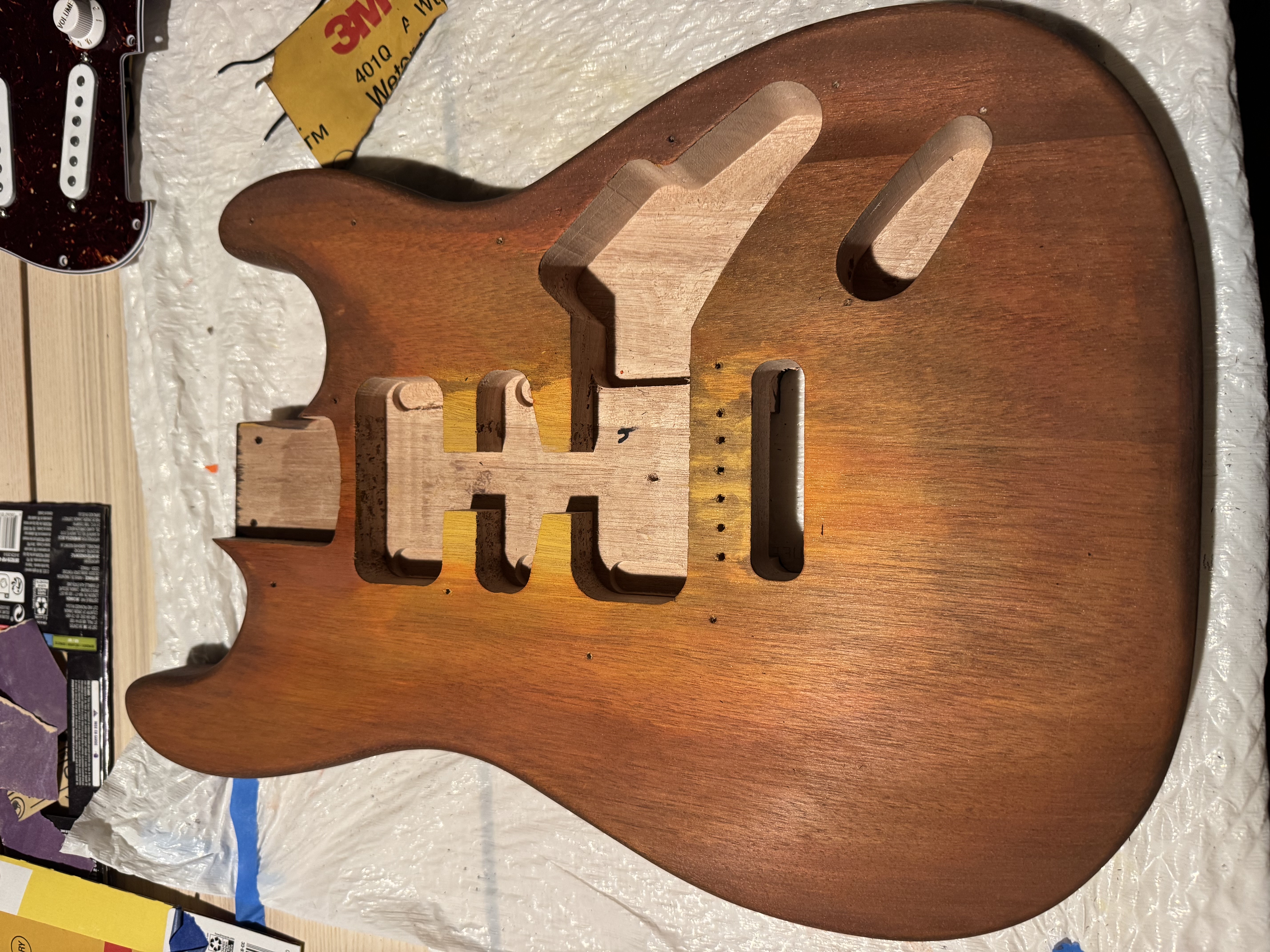
The body cavity awaiting more color and character.
The Meditation of Sanding, Followed by Sanding. Then Sanding.
Sandpaper became a kind of meditation. Corny, I know, but it really is. Coarse grits knocked down the rough edges; Finer grits coaxed out the smoothness.
This is my fourth guitar build overall, but the first since 2020. I've learned a lot in those years, about patience, about working with my hands, about working with wood. There is nothing about these types of projects that can be rushed. The result? I think this is the best one I've ever done. And honestly, I don't think it would have been possible without the wild year that this has been. There's a clarity that has emerged from this madness, a steadiness of hand and intention that wasn't there before.
Color & Character
The first stains went on, and really freaked me out. It looked like a big yellow bomb had gone off. India ink sank deep into the grain. The orange coat started to make me feel a bit better. By the time I got to black coat and resumed sanding, I was convinced. Nothing was rushed. Nothing was ruined. Every pass of the hand mattered.
The Inks That Made It Happen
Most people use guitar finishing products. I used fountain pen and calligraphy inks. The translucency and layering potential of these inks created depth you can't get from standard wood stains. Each coat was a trial and error with the grain, building complexity layer by layer.
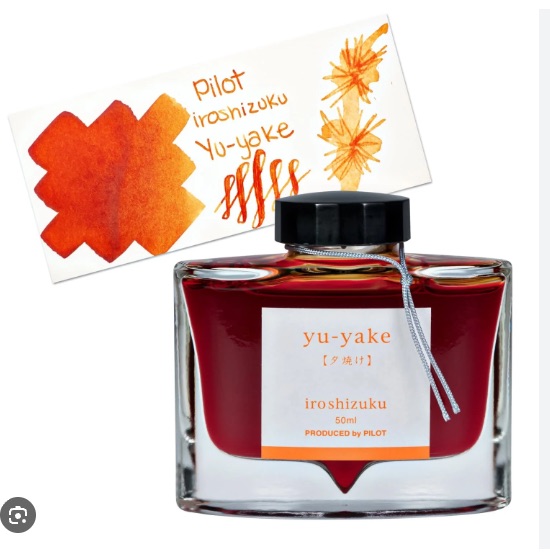
Pilot Iroshizuku Yu-yake (夕焼)
"Sunset" - The warm orange glow
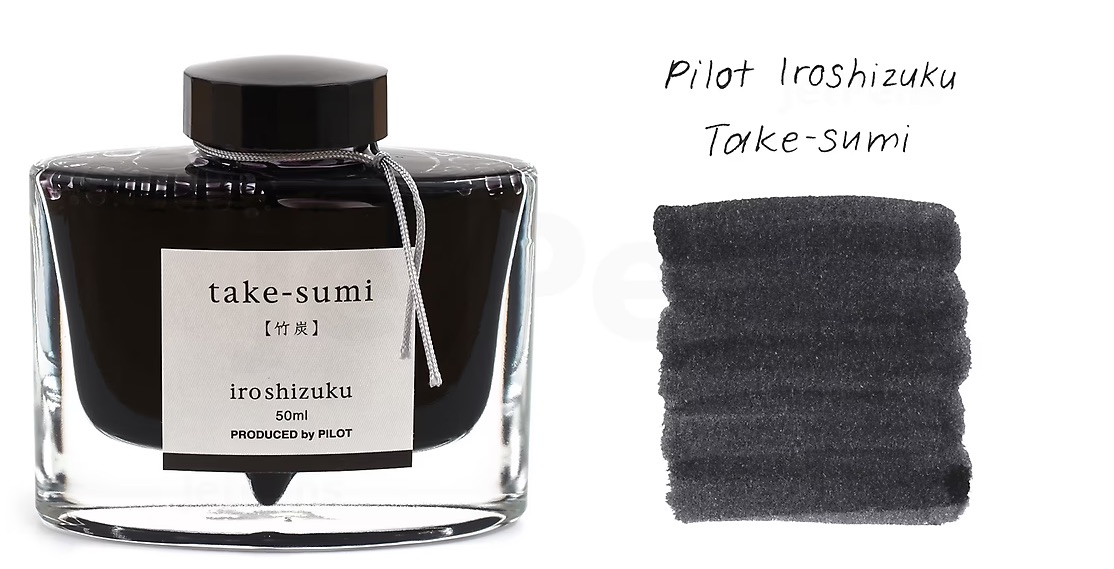
Pilot Iroshizuku Take-sumi (竹炭)
"Bamboo Charcoal" - Depth and shadow
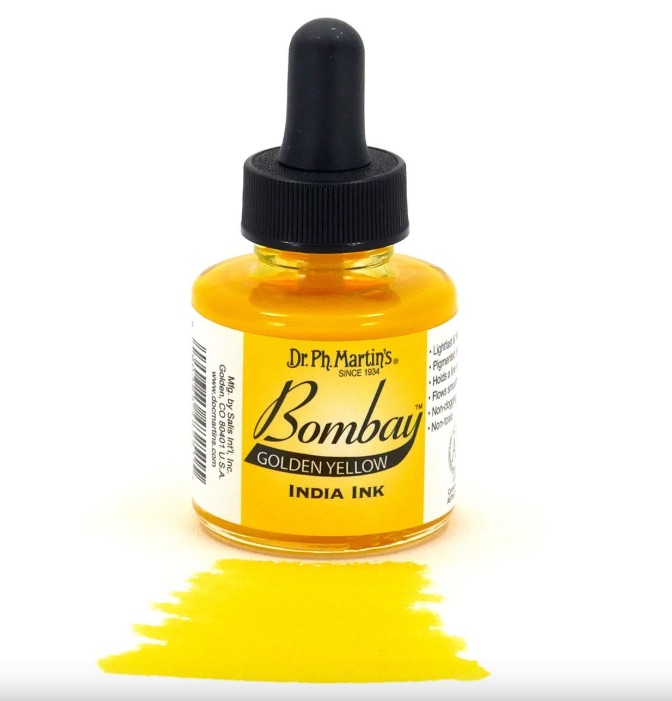
Dr. Ph. Martin's Bombay Golden Yellow
India Ink - The bright base layer
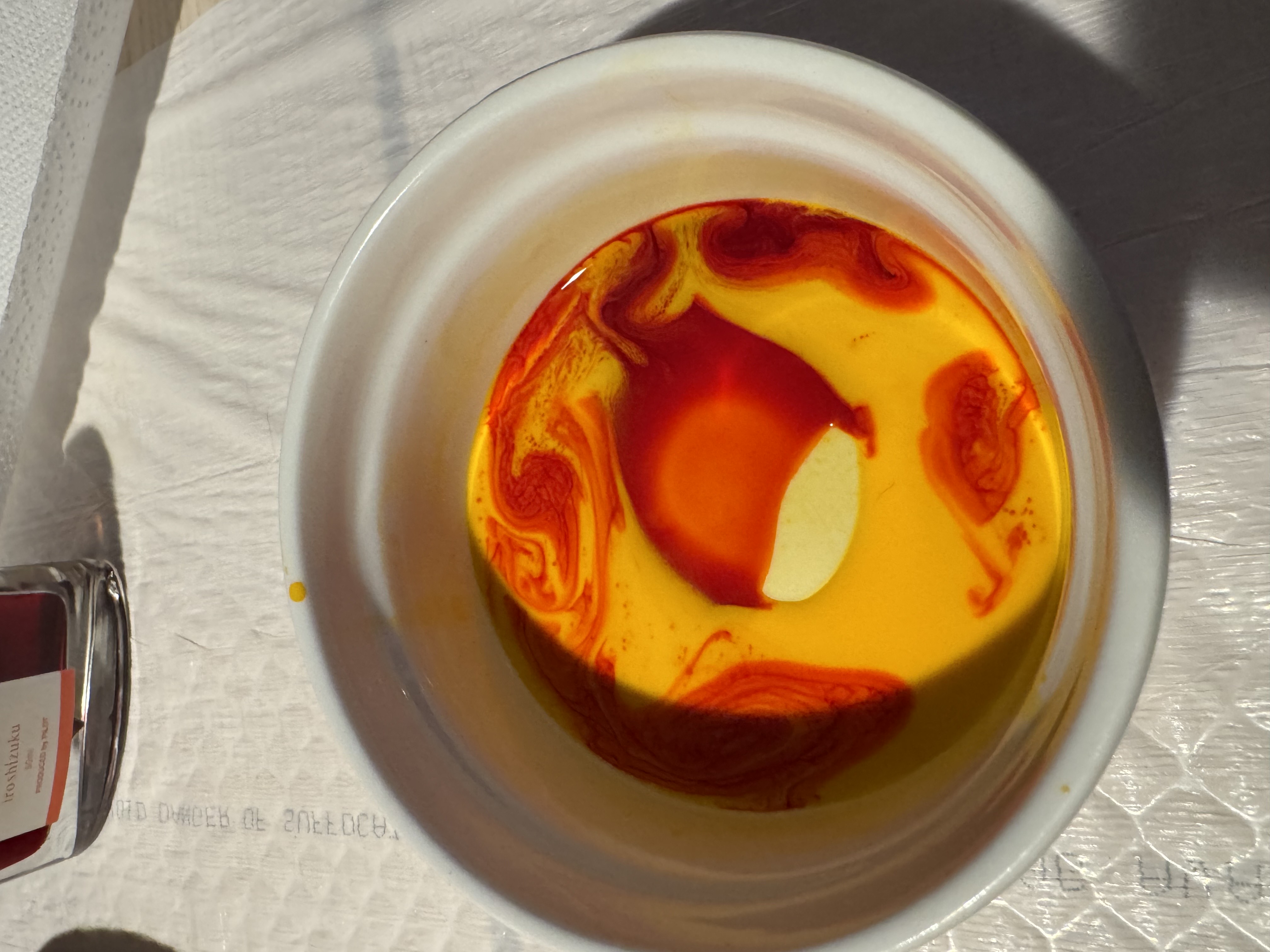
India ink and orange dye swirling together, reminds me of the imaginary food from Hook
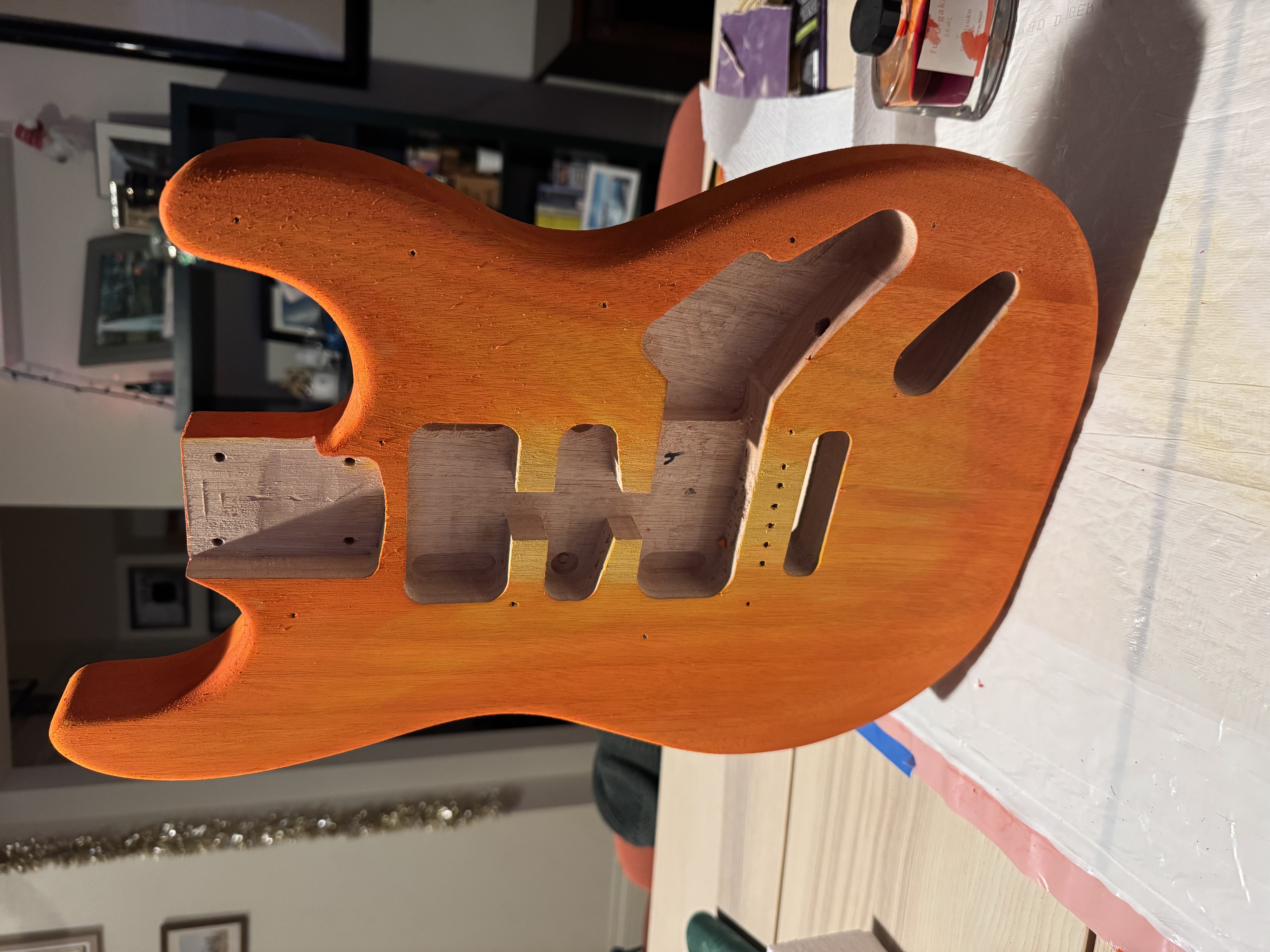
The first orange coat, warmth beginning to emerge
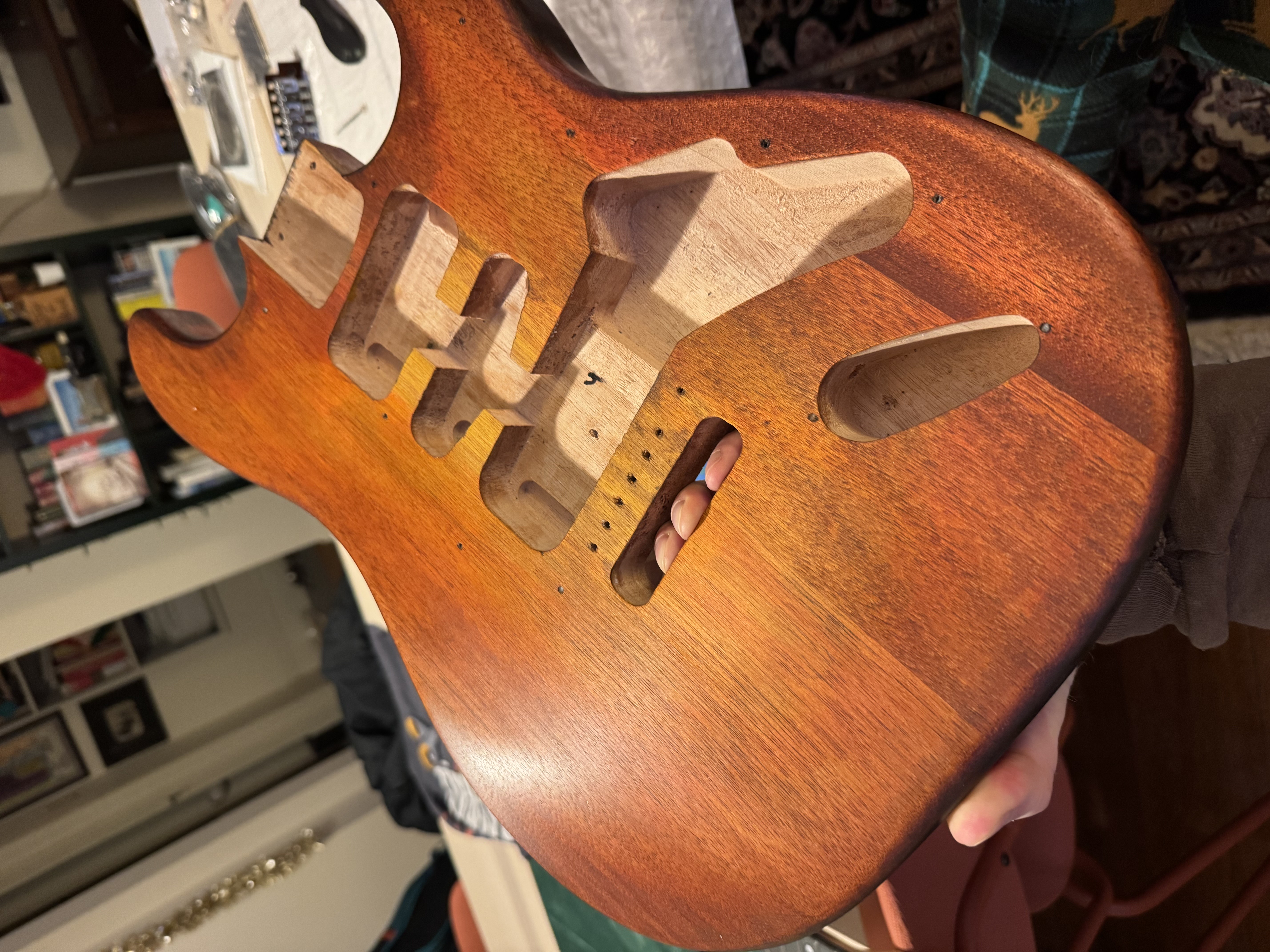
Multiple coats building depth and dimension
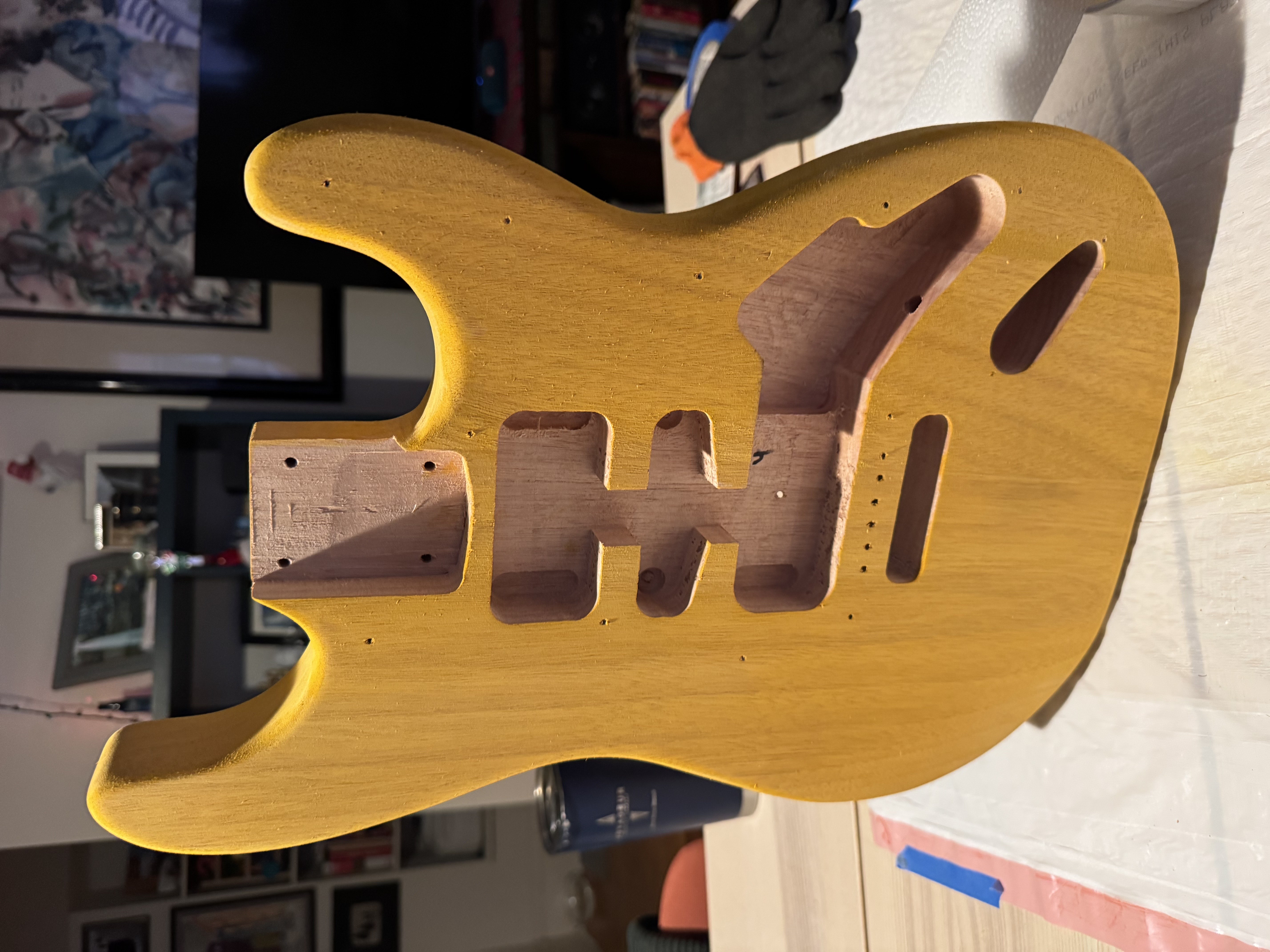
Bright yellow base that started it all
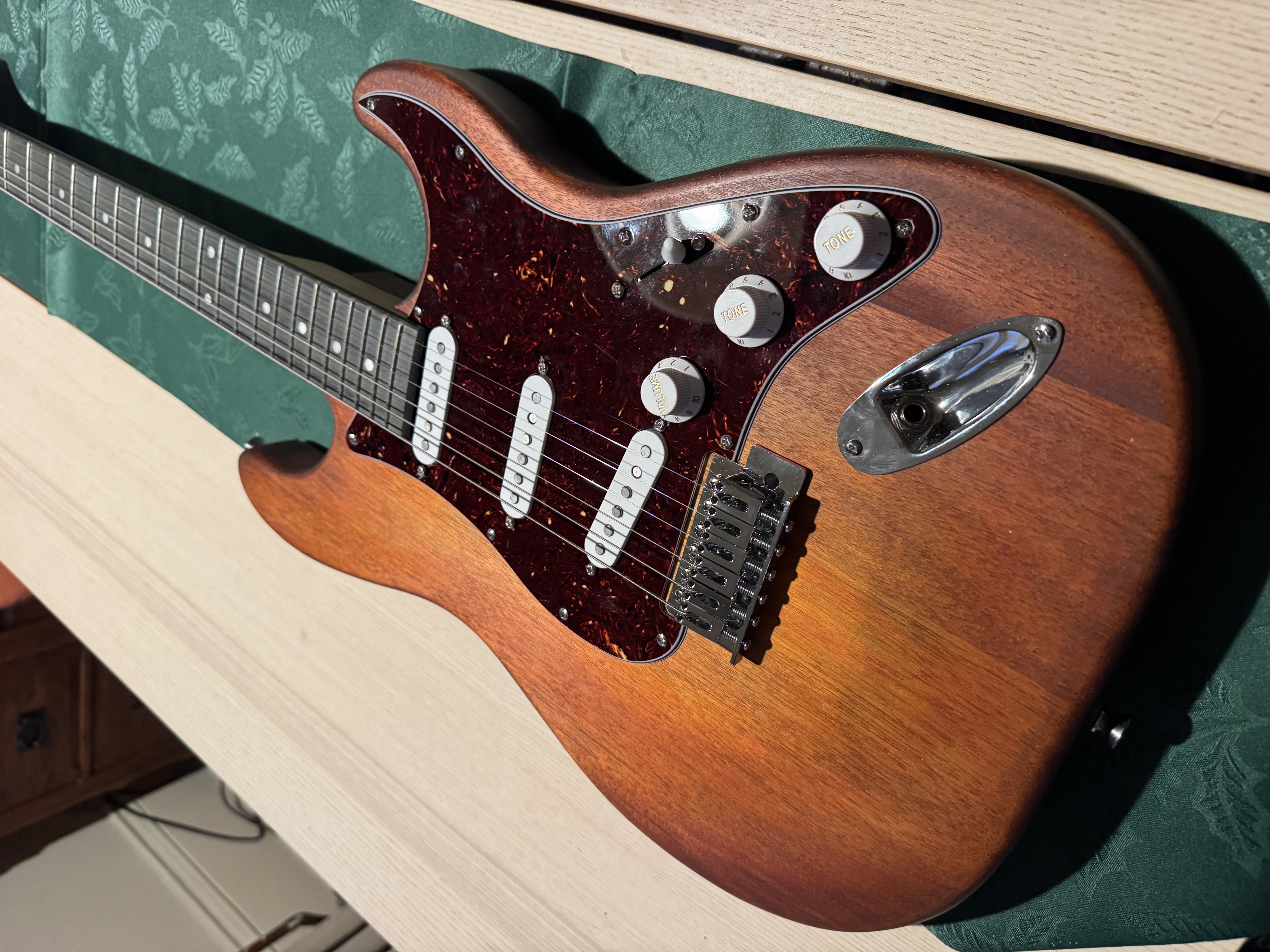
Brown tones adding complexity to the sunburst
The Finish Line:
The finish phase was where I have, and always will, struggle the most. Danish oil soaked in slowly, coat by coat, turning this cheap, supposed maple into something alive and tactile. The guitar didn't just look different, it felt different. Honestly, I don't even want to give it to the ungrateful son of a-nevermind. Yes I do. I just have to keep reminding myself of that.
Between curing times, there were moments of doubt, moments of excitement, moments of just standing back and staring at it thinking, Oh damn… you're becoming something.
Wax sealed the deal, not poly, not glassy, but soft, like an old table that's seen decades of meals and elbows. That is why I named it The Dusty Dog. The fretboard was dry as a bone, so I oiled it. The instrument wasn't flashy. The Dusty Dog feels lived in, even before the strings were on.
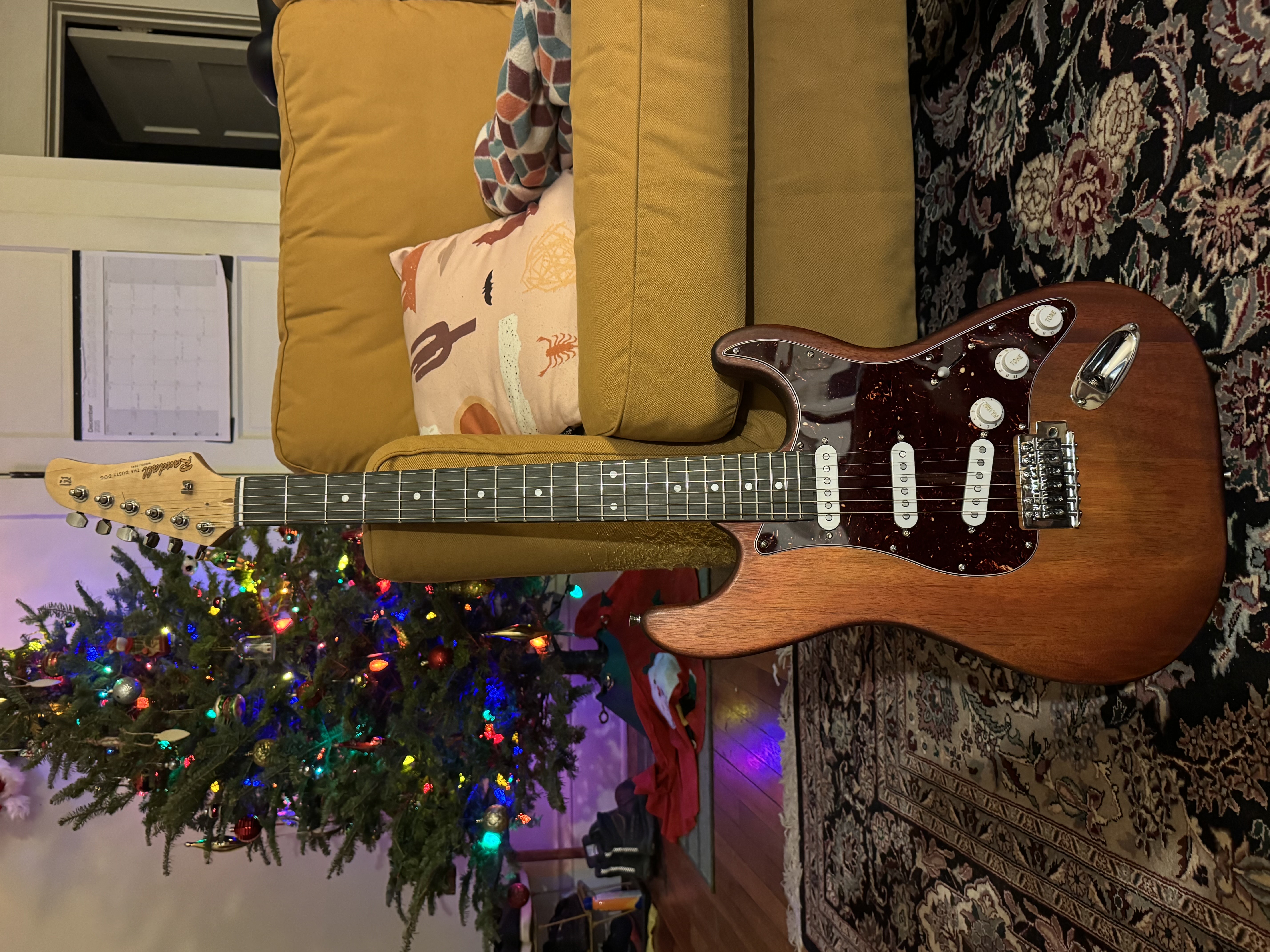
The completed body: Sunburst finish with depth and character
Assembly: The Payoff
Assembly was the final act, the satisfying click of it all coming together. Wiring tested my patience as it always does, but when it finally came through my Fender amp, it felt like a small miracle. Alnico pickups dropped in, promising clarity and bite, ready to sing through whatever. The bridge pickup had all of the grit that you would expect from a hot wired Strat, the middle position quacky, the neck position full.
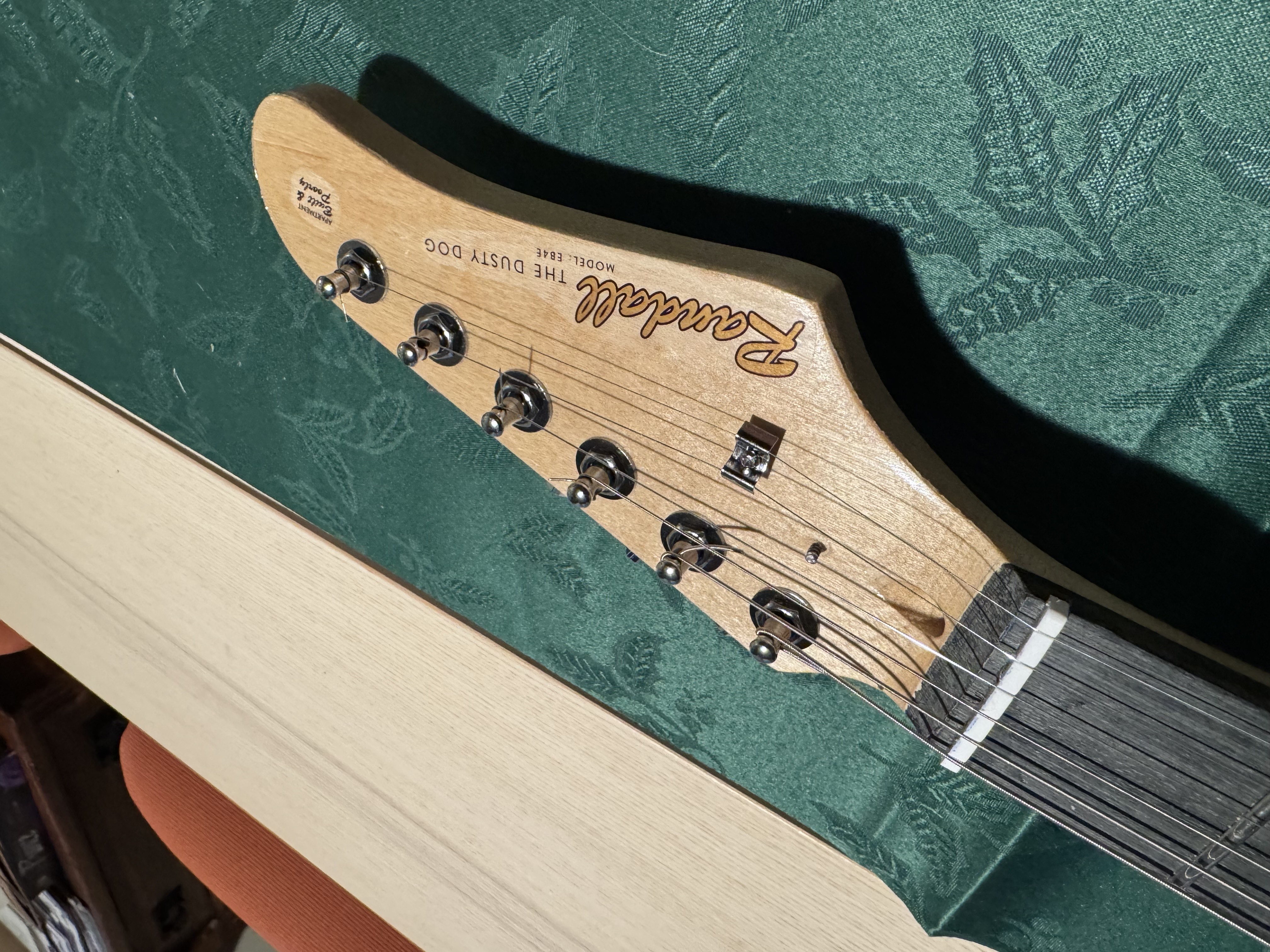
Screws snugged down, hardware aligned, the neck waiting its turn like a final handshake. My fake guitar brand name has always been Randall, and I sent away for a slide decal for the headstock with my logo on it. What emerged wasn't just a guitar, it was proof of care. Proof that slowing down still works. Proof that making something with your hands, start to finish, is still a satisfaction that is unparalleled. Eventually I want to do a build completely from scratch, and I think I'm getting close to that point. I learn more and more from every build, and I believe in the meditative process of this.
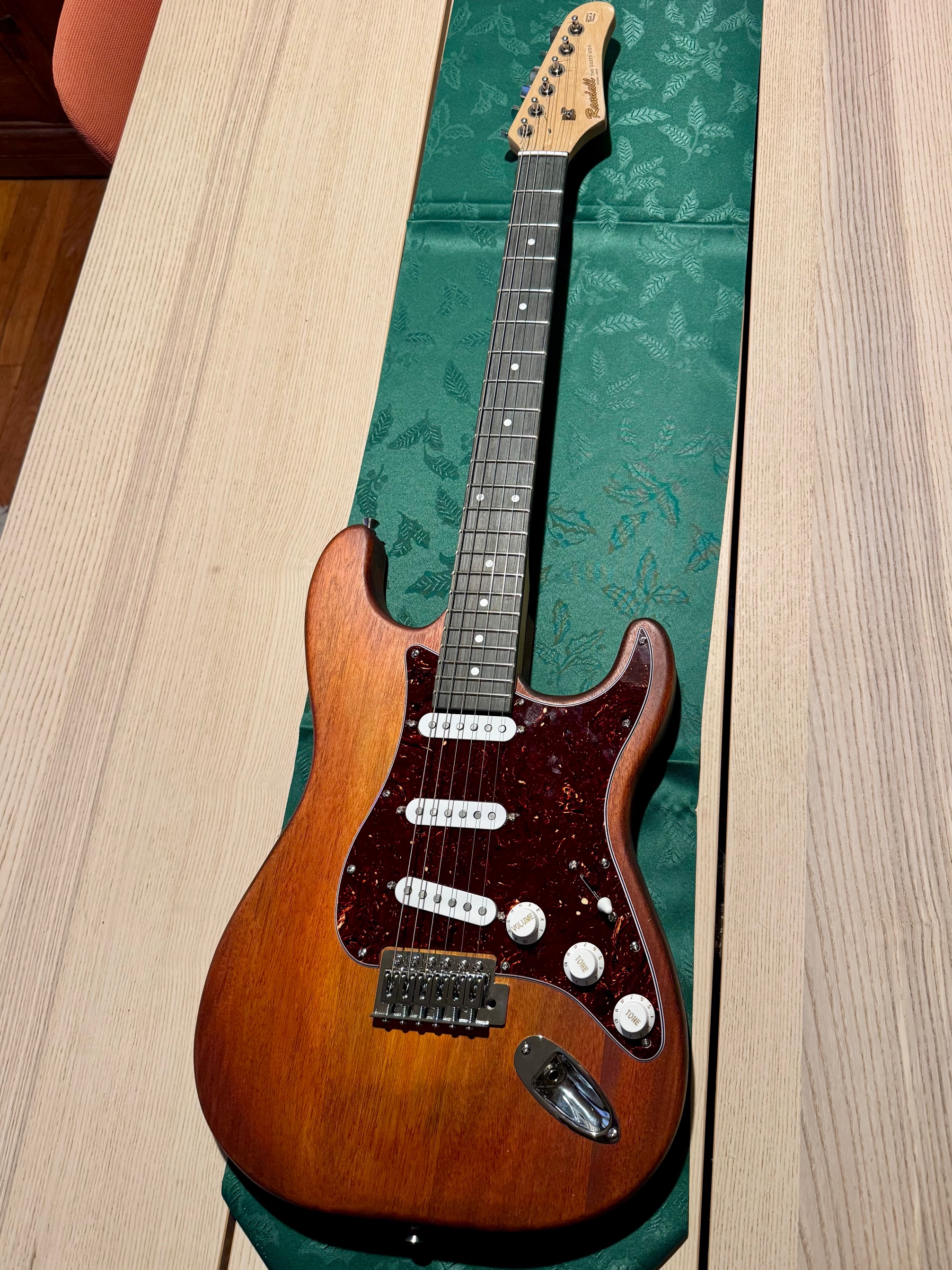
Fully assembled and ready to play whatever contrived music that Spencer will subject it to.
Build Specifications
- Base Kit: Temu $59 Stratocaster-style kit
- Pickups: Upgraded vintage-style Alnico 5 single-coils
- Finish: Hand-stained sunburst using fountain pen & calligraphy inks
- Finish Details: Pilot Iroshizuku Yu-yake (orange), Take-sumi (black), Dr. Ph. Martin's Bombay Golden Yellow India Ink
- Topcoat: Danish oil with finishing wax finish
- Hardware: Upgraded components throughout, bridge, tuners, bone nut.
- Build Time: 5 weeks of hand sanding, hand staining and assembly.
- Build Number: #4 overall, first since 2020
For Spencer
This build isn't just an instrument, it's an expression of gratitude. It's proof that friendship matters, that making something with your hands creates connection, and that sometimes the best gifts are the ones you can't buy in a store.
Here's to better days ahead, brother. May this guitar sing the songs you've been holding inside; however if those songs happen to be Green Day, please keep them to yourself.